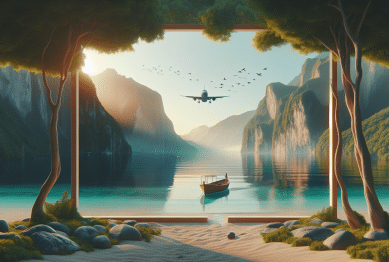


Curious about transforming vacations into richer experiences? This in-depth guide explores the magic of affordable slow travel, including ways travelers enjoy deeper connections, maximize their time, and find meaningful moments. Discover how embracing slower journeys can make your trips more rewarding and budget friendly.

Rediscovering Travel Through Slow Journeys
Slow travel is capturing the attention of people eager for something more meaningful than rushed itineraries. Instead of racing from site to site, individuals find greater satisfaction in lingering longer at each destination. This approach not only fosters mindful exploration, it allows travelers to forge deeper cultural connections, enrich their understanding of local traditions, and experience each place authentically. As more people seek alternatives to fast-paced tourism, the concept of affordable slow travel grows, opening up striking landscapes and vibrant communities often missed during whirlwind tours. Whether it’s train rides through picturesque valleys, weeks spent in a single countryside village, or immersive learning days with residents, slow travel’s essence lies in savoring each moment. The beauty? Anyone can start, regardless of previous travel experience. The benefits extend beyond relaxation; they create deeper memories, supporting wellness and offering a chance to reduce travel-related stress.
One reason many gravitate toward slow travel is budget flexibility. Staying longer in a single destination often results in cost savings, especially when compared to multiple flights or hotels over a short period. Rental apartments, local cooking, and public transportation allow for immersive and affordable stays. Slow travelers often discover hidden gems—family-run eateries, independent guesthouses, or lesser-known attractions—that offer authentic value without the price tag of tourist hot spots. Over time, travelers learn that quality experiences are not always defined by price. Instead, the most cherished moments frequently stem from spontaneous interactions and community participation. Through slow travel, travelers also help foster sustainable tourism, contributing to local economies and minimizing their environmental impact compared to fast, flight-heavy holidays. For both solo explorers and families, embracing slow travel is about making intentional choices rather than following hectic schedules.
From picturesque small towns to bustling metropolises, slow travel can be adapted to suit personal interests and abilities. For many, it inspires creativity—artists, writers, and even researchers report enhanced inspiration during lingering stays. Others appreciate how slow journeys may support work flexibility, thanks to the rise of digital nomadism. As remote work opportunities expand, more people are blending work with exploration, guided by the principles of slow and affordable travel. These trends have sparked a broader movement centered around conscious living. By prioritizing well-being and minimizing the urge to rush, more travelers are unlocking the potential to transform not just their vacations but outlooks on life itself.
Key Strategies for Affordable Exploration
Affordable slow travel demands a thoughtful approach to budgeting while maximizing enjoyment. Choosing lesser-known destinations often results in both lower costs and more intimate experiences. Accommodations like guesthouses, shared housing, or short-term apartment rentals present an economical alternative to hotels while providing the chance to engage with locals. Cooking simple meals using ingredients from local markets can be a memorable way to connect with a place’s culture and values. For some, volunteering or participating in work exchanges offers an avenue to exchange skills for room and board. Training in these practical strategies gives travelers the flexibility to expand their journeys beyond what they initially imagined. It’s not just about stretching dollars; it’s about cultivating deeper satisfaction in each stop along the way.
Another essential element of affordable travel is understanding transportation options. Opting for trains or buses over short flights not only cuts expenses but gives travelers a front-row seat to breathtaking scenery, allowing the journey itself to become a highlight. Many discover that regional public transportation networks, bike rentals, and even guided walking tours can reveal hidden corners of a city or countryside in ways private cars never could. For those with more time, slow travel can be combined with flexible schedules or extended breaks from work, facilitating more affordable travel by spreading costs over a longer period. Additionally, using travel apps and online communities can uncover time-limited deals or share recommendations that might not appear in guidebooks—contributing to both savings and spontaneity, vital ingredients for memorable travel experiences.
Flexibility is central to making the most of budgets during slow travel. Choosing to travel off-peak or shoulder seasons gives access to reduced accommodation rates, fewer crowds, and a more relaxed pace overall. Travelers often find comfort in adjusting itineraries based on emerging opportunities—such as local festivals or unique workshops—rather than rigidly clinging to plans. Planning longer stays offers practical perks such as discounted rates for weekly or monthly rentals, and further deepens connections with communities. It is also a way to minimize travel fatigue, often overlooked but crucial for a well-rounded trip. Ultimately, affordable slow travel rewards those willing to adapt as opportunities arise.
Enriching Experiences Through Cultural Immersion
Slow travel is deeply intertwined with cultural immersion, propelling travelers into the heart of local living far beyond surface sightseeing. Learning a few basic phrases in the local language, participating in cooking classes, or attending community events can foster lasting cross-cultural friendships. These enriching experiences offer insight into customs, beliefs, and regional identities in a way that short visits rarely do. By forming genuine bonds with residents, travelers enhance both their understanding of the world and their sense of belonging while abroad. As trust builds, open invitations to family dinners or local celebrations become cherished memories. Such opportunities often transform perspectives and widen horizons for years to come.
Hands-on engagement is a hallmark of rewarding slow travel. Activities like volunteering with local organizations, joining farm stays, or taking part in art projects offer exposure to daily life in different regions. These experiences connect travelers with people who share a commitment to community sustainability or creative endeavors. In some places, guided walks by historians, artists, or craftspeople unveil unique insights into traditions that might otherwise remain hidden. Additionally, long-term stays can afford opportunities to pursue interests such as gardening, cheese making, or folk dancing, crafting a deeply personal connection to the destination. This encourages not just tourism, but shared learning—helping to bridge cultural divisions and inspire kindness.
The impact of slow travel’s cultural immersion goes both ways, benefiting both visitors and communities. Responsible travelers are more likely to support independent businesses, local artisans, and cooperative tourism projects. Through mindful interactions and financial choices, visitors contribute to preserving regional heritage, empowering residents to sustain traditional livelihoods. These collaborative encounters infuse travel with meaning, often prompting repeated visits or long-distance friendships. Beyond photos or keepsakes, the stories and relationships that arise from cultural immersion can inspire further adventures and lifelong curiosity about the world.
Sustainable and Mindful Practices for Today’s Traveler
Sustainable travel is rapidly becoming a cornerstone of slow journey advocates, with mounting interest in minimizing negative impacts. Embracing practices like staying in eco-friendly accommodations, respecting local wildlife, and supporting green tour operators can make meaningful differences for communities and fragile ecosystems. Many travelers seek out opportunities to offset their carbon footprint, opting for renewable transportation and reducing waste while abroad. Mindful travel also means choosing activities that prioritize cultural and environmental preservation, fostering a sense of stewardship. These considerations matter not only for safeguarding beloved destinations but ensuring positive outcomes for generations of future explorers.
Several organizations worldwide now offer resources for responsible tourism. They help travelers identify ethical volunteer projects, sustainable guesthouses, and conservation programs. Taking time to research and plan before embarking can lead to a more rewarding experience while minimizing inadvertent harm. The rise of regenerative travel is also notable—an approach that aims to leave destinations better than found, whether through planting trees, supporting local social enterprises, or collaborating in restoration projects. Small, mindful choices—such as carrying reusable bottles or shopping locally—translate into tangible benefits for host communities and the environment alike.
Mindfulness in travel extends beyond environmental stewardship—it’s also about respecting local customs, traditions, and living rhythms. Observing etiquette, seeking permission before photographing people or sacred sites, and honoring regional dress codes enrich the overall journey. Such respect builds trust and opens doors to deeper exchanges with locals. Slow travel, practiced consciously, offers the space to develop these sensitivities, leading to transformative experiences for both travelers and those they encounter. In doing so, it promotes not just enjoyment but mutual understanding and global citizenship.
Slow Travel and Digital Nomadism: A New Way to Work and Explore
One of the biggest shifts in travel is the rise of digital nomadism—individuals who blend work and exploration for extended periods. Slow travelers increasingly use flexible or remote jobs to live abroad while immersing in new cultures. This lifestyle uniquely combines professional growth with cultural learning, offering opportunities for networking, skill development, and language acquisition. Digital nomads often choose destinations based on community feel, cost of living, and internet access, fostering a new global workforce. For many, this lifestyle promotes affordability, as long-term stays often cost less per day than short, frequent trips.
Some cities and regions have embraced this trend, creating coworking spaces, community hubs, and visa programs to encourage long-term interaction with international visitors. This supports local economies and helps build vibrant, interconnected communities. As digital nomads settle in, they patronize local cafes, participate in neighborhood projects, and shape cross-cultural dialogues. Over time, these extended stays lead to deeper immersion, offering a richer understanding of the destination beyond what’s possible through short vacations. Embracing slow travel in this way can transform both city life and remote getaways into opportunities for learning and growth.
However, successful digital nomadism depends on balancing work demands with mindful travel. Setting boundaries, establishing routines, and respecting local work-life norms are vital to avoid burnout. Clear communication with employers and clients ensures productivity while leaving space for exploration. Slow travel’s deliberate pace gives digital nomads freedom to move thoughtfully, easing transitions and building rewarding connections along the way. As this trend expands, more people explore creative lifestyle options, reflecting the evolving face of affordable global travel.
Planning Your Own Slow Travel Adventure
For those eager to try slow travel, the planning phase is both exciting and crucial. Begin by reflecting on priorities: which places spark curiosity, what pace feels comfortable, and how to budget wisely for longer stays. Researching visa requirements, accommodation options, and daily living costs can help map out a feasible plan. Online communities, travel blogs, and social networks offer invaluable real-world advice, listing hidden gems and under-the-radar experiences. It’s helpful to remain flexible—openness to new opportunities typically results in more meaningful adventures. Identify must-see attractions but leave plenty of blank space in the itinerary to wander, relax, and be present.
Consider travel insurance, health safety, and backup plans. These factors are sometimes overlooked but are important for reducing travel stress. Establishing a routine, even while on the road, can foster balance and well-being—think morning walks, market visits, or journaling. And don’t forget to brush up on language basics or local etiquette, as a little effort goes a long way in building positive relationships abroad. Incorporating downtime helps absorb each locale’s atmosphere, ensuring travel remains a gift rather than a checklist. As confidence grows, travelers often discover newfound resourcefulness and resilience, applying these lessons long after returning home.
Many resources exist to support aspiring slow travelers. Organizations promoting sustainable travel, accommodation exchanges, and digital nomad networks offer guidance at each step. Nonprofits, government agencies, and regional tourism boards frequently host cultural events, educational sessions, and local meetups, further enriching the journey. Staying curious, prepared, and open unlocks a world of affordable slow travel possibilities that foster connection, growth, and unforgettable memories.
References
1. United Nations World Tourism Organization. (n.d.). Sustainable Development of Tourism. Retrieved from https://www.unwto.org/sustainable-development
2. The International Ecotourism Society. (n.d.). What is Ecotourism? Retrieved from https://ecotourism.org/what-is-ecotourism/
3. National Geographic Society. (n.d.). Slow Travel: Getting More From Your Trip by Doing Less. Retrieved from https://www.nationalgeographic.com/travel/article/slow-travel
4. Harvard Business Review. (n.d.). The Next Wave of Digital Nomads Is Coming. Retrieved from https://hbr.org/2021/08/the-next-wave-of-digital-nomads-is-coming
5. European Commission. (n.d.). Cycling and Walking as Modes of Slow Tourism. Retrieved from https://ec.europa.eu/transport/themes/sustainable/mobility-and-slow-tourism_en
6. Hostelworld. (n.d.). The Rise of Slow Travel: Why More Travellers Are Taking It Easy. Retrieved from https://www.hostelworld.com/blog/why-is-slow-travel-becoming-more-popular/





 Discover Secrets to Healthy Glowing Skin