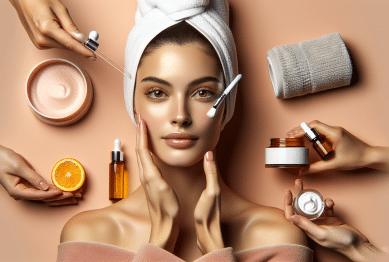


Curious about lasting, radiant skin? This guide explores how small, everyday habits and evidence-based approaches can help you nurture your skin’s natural beauty. Discover practical tips for improving your routine, from hydration to sun care, and what really makes a difference—without relying on overpromises or hype.

Rethinking Skin Hydration and Daily Water Intake
Staying hydrated is often overlooked, but it’s one of the most effective ways to support skin health. While everyone hears about drinking eight glasses a day, the science behind water intake and skin is more nuanced. Proper hydration boosts skin turgor and elasticity, helping to reduce the look of dryness and fine lines. When the body lacks sufficient water, skin can lose its glow and feel tight or flaky. Regularly sipping water throughout the day, instead of chugging large amounts only when thirsty, may offer steadier hydration. Some studies report that increasing daily water consumption can slightly improve the surface hydration of the skin (Source: https://www.ncbi.nlm.nih.gov/pmc/articles/PMC4529263/).
It’s important to combine internal hydration with external care. Using a gentle, hydrating cleanser can prevent stripping the skin’s natural moisture barrier. Many common cleansers, especially those with harsh ingredients, can lead to irritation and contribute to a sensation of dryness. Opt for mild, fragrance-free options when possible. Applying moisturizer to slightly damp skin after bathing helps lock in hydration. Moisturizers are formulated to maintain the stratum corneum, the outermost skin layer, which acts as a protective shield (Source: https://www.aad.org/public/diseases/eczema/childhood/types/skin-barrier).
Consider the environment as a factor, too. Heated indoor air, cold weather, or spending long hours in air-conditioned spaces can pull moisture from the skin. Using a humidifier at night or placing a bowl of water near a heat source offers a low-tech solution to boost room humidity. These steps, paired with routine water intake and gentle cleansing, can offer practical support for those seeking to revitalize skin in a natural way.
Daily Sun Protection for Lifelong Radiance
While sunscreen is often associated with summer, daily sun protection is crucial year-round. Ultraviolet (UV) rays contribute to premature skin aging and can damage skin cells, leading to uneven tone and texture. Choosing a broad-spectrum sunscreen with an SPF of 30 or higher helps shield the skin from both UVA and UVB rays. According to dermatology research, daily sunscreen use is one of the most effective steps to prevent photoaging—the wrinkles, spots, and sagging caused by sun exposure (Source: https://www.aad.org/public/everyday-care/sun-protection/shade-clothing-sunscreen/prevent-skin-aging).
Many people forget to apply sunscreen to areas like the ears, neck, and hands. These spots are some of the first to show sun-related signs of aging. Lightweight, non-comedogenic sunscreens are available for those who worry about breakouts. Newer formulas work well under makeup or on sensitive skin, making daily protection an easy habit. Reapplication throughout the day, especially after sweating or swimming, offers consistent coverage. A hat and sunglasses provide added protection for the face and eyes.
For individuals looking for alternatives to topical applications, seeking shade during peak sunlight hours and wearing long sleeves can serve as complementary habits. These simple steps together help minimize exposure to harmful rays and preserve the skin’s youthful appearance over time. Even on cloudy days, UV rays can cause cumulative damage, so sticking to the habit of sun protection pays off in the long run.
Why Sleep and Stress Matter for Skin Clarity
Skin repair accelerates at night. During deep sleep, the body increases blood flow to the skin and releases growth hormones that stimulate new cell production. Skipping sleep can interrupt this process, resulting in a dull complexion, dark circles, or more visible blemishes. The connection between sleep deprivation and inflammatory skin conditions—like eczema or acne—has been documented in research (Source: https://www.ncbi.nlm.nih.gov/pmc/articles/PMC4688585/).
Stress is another major factor that influences the skin’s appearance. When levels of the stress hormone cortisol spike, skin may produce more oil and become prone to breakouts. Long-term stress can exacerbate redness and sensitivity, making it harder for skin to heal efficiently. Simple stress management practices—including deep breathing, yoga, or mindful walks—support the body’s natural rhythms and help calm inflammation responses that affect skin clarity. Balancing stress with self-care routines encourages both glowing skin and overall wellness (Source: https://www.mentalhealth.org.uk/explore-mental-health/a-z-topics/stress).
Improving sleep hygiene often leads to noticed benefits within days. Creating a nightly wind-down routine, dimming lights, and avoiding screens before bed may encourage deeper rest. Consistent sleep and daily relaxation practices can help the skin recover from environmental stressors, supporting a clearer, more vibrant complexion over time.
Nutrition Fundamentals for Naturally Glowing Skin
What you eat directly influences your skin’s resilience and luminosity. Diets rich in antioxidants, such as berries, leafy greens, and nuts, help combat oxidative stress—a major contributor to dullness and wrinkles. Omega-3 fatty acids, found in flaxseed, walnuts, and fatty fish, can support the skin’s natural barrier, keeping it supple and hydrated. According to the American Academy of Dermatology, eating a balanced diet with lots of fruits and vegetables positively impacts overall appearance (Source: https://www.aad.org/public/diseases/a-z/healthy-diet-skin).
Limiting foods with added sugars and processed carbohydrates may also play a role in reducing unwanted blemishes. Research suggests that high-glycemic foods can trigger breakouts in some people by increasing insulin and androgen levels. Swapping these foods for whole grains and high-fiber choices can modulate energy spikes and protect against inflammation, indirectly supporting skin clarity (Source: https://www.ncbi.nlm.nih.gov/pmc/articles/PMC5605218/).
Don’t underestimate the impact of simple choices. Regular meals, a diverse range of nutrients, and proper hydration all provide foundational support for the skin’s health. Instead of focusing on quick fixes, building these routines can yield lasting and noticeable changes that let natural beauty shine through without complex routines or expensive products.
Gentle Cleansing and the Power of Minimalism
Overcomplicating skincare can sometimes do more harm than good. Gentle cleansing, twice a day, helps remove dirt, pollutants, and excess oils without disrupting the skin’s protective layer. Using lukewarm—not hot—water is key to preventing irritation or dryness. Harsh scrubs or excessive exfoliation can contribute to microtears and increased sensitivity, especially for those prone to redness or breakouts. Dermatologists recommend minimal, consistent routines rather than frequent product changes for best results (Source: https://www.dermatologytimes.com/view/the-power-of-the-basics-in-skincare).
Cleansers containing soothing ingredients, like glycerin or ceramides, support people with sensitive or reactive skin. Avoiding products with strong fragrances or alcohol can reduce the risk of irritation. After cleansing, pat the skin dry with a clean, soft towel, and immediately apply a simple moisturizer. This strengthens the moisture barrier and helps protect the skin from daily stressors.
Minimalism isn’t about skipping care but rather about making smart choices. By avoiding unnecessary or harsh products, you give skin space to rebalance and heal. Over time, many report fewer flare-ups and a smoother, more even complexion. Evidence points to a back-to-basics skincare method offering reliable, gentle support for long-term skin resilience.
Lifestyle Tweaks That Make a Noticeable Difference
Simple lifestyle choices impact your skin more than you may think. Moderate exercise increases blood flow, delivering oxygen and nutrients to skin cells, which encourages healing and a vibrant appearance. Short walks, stretching, or dance can all contribute. Air quality matters, too—limiting exposure to tobacco smoke and pollution helps preserve collagen and reduce the appearance of fine lines (Source: https://www.cdc.gov/tobacco/quit_smoking/how_to_quit/benefits/index.htm).
Regular hand-washing and avoiding touching your face help reduce bacterial transfer that can trigger breakouts or irritation. Swapping pillowcases weekly and cleaning phone screens are small but effective habits. Blue light from screens may also play a role in skin aging, though research is ongoing. Minimizing late-night screen time can support both sleep quality and overall skin health.
Mindful living, which includes regular movement, clean air, and balanced technology use, can reinforce other skin care habits. These changes don’t have to be dramatic—a series of conscious, consistent choices can build a stronger foundation for natural skin vitality and wellness.
References
1. Palma, L., et al. (2015). Effects of water supplementation on skin hydration. Retrieved from https://www.ncbi.nlm.nih.gov/pmc/articles/PMC4529263/
2. American Academy of Dermatology Association. (n.d.). Skin care tips for sensitive skin. Retrieved from https://www.aad.org/public/diseases/eczema/childhood/types/skin-barrier
3. American Academy of Dermatology Association. (n.d.). Dermatologists’ tips for preventing skin aging. Retrieved from https://www.aad.org/public/everyday-care/sun-protection/shade-clothing-sunscreen/prevent-skin-aging
4. Dimitrov, D., & McDowell, A. (2016). Sleep, immunity and inflammation—a review. Retrieved from https://www.ncbi.nlm.nih.gov/pmc/articles/PMC4688585/
5. American Academy of Dermatology Association. (n.d.). Healthy diet, healthy skin. Retrieved from https://www.aad.org/public/diseases/a-z/healthy-diet-skin
6. U.S. Centers for Disease Control and Prevention. (2022). Benefits of quitting smoking. Retrieved from https://www.cdc.gov/tobacco/quit_smoking/how_to_quit/benefits/index.htm





 Daily Habits That Make You Feel Happier Inside