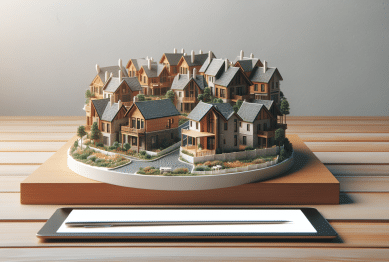


Explore how strategic home improvements and renovations can increase your property’s appeal and resale value. This guide uncovers practical steps, curb appeal hacks, and the role of home equity in maximizing your investment in real estate.

Understanding Why Home Value Matters
Many homeowners dream of seeing their property’s value rise. Home value refers to the price a buyer might be willing to pay for your property in the current real estate market. Factors influencing this number include location, condition, and even the season. Buyers look for features like updated kitchens, modern bathrooms, and energy efficiency. A higher-value home can unlock more options, such as better refinancing rates or access to additional home equity loans. Homeowners also benefit from a larger profit margin when selling. Small decisions, like replacing an old roof or repainting faded walls, have a direct impact. Understanding this concept is crucial for anyone who views their home as an investment. Every improvement can be strategic. Each renovation should be carefully considered based on cost, local real estate trends, and the expected return on investment. Making smart choices is key.
Knowing how real estate appraisals work helps you focus your efforts. Appraisers assess your property based on comparison to similar homes, local sales data, and features unique to your house. They notice details like modern appliances or upgraded windows. Energy-efficient appliances, fresh landscaping, and smart home devices all contribute positively. These factors may not always seem major, but buyers often use them for comparison. Smart planning pays off in this competitive market. By understanding the criteria professionals use, you can guarantee your time and money are put to the best use. Even subtle touches carry weight. Properties with appealing curb appeal typically receive higher offers and sell faster.
Home value matters for more than just selling. If you’re considering a loan or refinancing, your home’s value plays a big role in approval and your interest rate. Lenders want assurance that the property backing the loan is worth the risk. Many property owners use rising home value to finance education, renovations, or other investments. It’s not simply a number; it influences quality of life, financial freedom, and long-term planning. Stay informed about neighborhood trends and the types of upgrades local buyers desire. Knowledge empowers confident choices. Your investment is worth protecting.
Choosing Upgrades With the Biggest Impact
Some home upgrades pack more punch in the real estate market than others. Kitchen remodels, fresh paint, and updated bathrooms are proven to offer great returns. Buyers notice new countertops, cabinets, and stainless appliances. Even modest changes—replacing hardware or refinishing cabinets—can refresh the space. Lighting updates, efficient faucets, and backsplash accents add style. Homeowners working within tight budgets should prioritize these rooms. Smart modifications in the kitchen or bathroom stand out and appeal to a broad base of buyers, often recouping a large portion of the initial investment at resale.
Curb appeal improvements also have a major influence on your property’s value. First impressions matter. Simple steps like power washing, planting flowers, and upgrading the front door make your home memorable. Research suggests that landscaping with low-maintenance shrubs and a well-edged lawn boosts perceived value. It creates a feeling of care, and buyers translate that into worth. Pay attention to outdoor lighting, walkway pavers, and mailbox upgrades. Exterior paint that matches neighborhood trends makes a home more inviting. These upgrades can be surprisingly cost-effective yet powerful.
Increasing functional space always draws attention. Converting a basement or attic into a usable area—like a guest suite or office—offers additional square footage, which is attractive to buyers. Flexible spaces for remote work or recreation are increasingly popular. Adding storage with built-ins is another wise choice. Interior improvements should always be aligned with local market trends and buyer interests. Review recent sales in your area for inspiration. Focus your efforts on upgrades buyers want but avoid over-personalization. Simple, clean, multi-functional improvements usually yield the strongest returns.
The Value of Energy Efficiency and Green Upgrades
Energy efficiency is more than a trend. It’s a real factor in raising home value and attracting eco-conscious buyers. Home upgrades like double-paned windows, new insulation, and energy-efficient appliances result in noticeable utility cost savings. Buyers appreciate homes that are comfortable in every season and kinder to the planet. Many home shoppers prioritize green features in their searches, as energy efficiency translates to monthly savings. Smart thermostats and LED lighting not only reduce bills but also future-proof a property by meeting evolving expectations.
Sustainable improvements can scale with your budget. Swapping old water heaters for modern high-efficiency models or solar panels is a long-term investment. Many states offer rebates or credits to help offset the costs. Improved insulation in attics and basements reduces heating and cooling expenses, making the home more appealing to budget-minded buyers. In some cities, green certifications even allow for reduced property taxes. These savings add another level of attraction. For investors, tenants and buyers are increasingly drawn to homes with a smaller environmental footprint.
Small steps matter, too. Weatherstripping, low-flow fixtures, and programmable thermostats are all affordable upgrades that provide immediate benefits. They also show buyers that your property is well-maintained and modernized. Demand for eco-friendly homes will likely continue rising, shaping the future of real estate values and preferences. Making your property environmentally friendly broadens your appeal. It’s one of the easiest ways to stand out in a crowded market.
Financing Your Home Improvements Wisely
Paying for home upgrades requires thoughtful planning. Many turn to home equity loans or lines of credit since these typically offer lower interest rates than credit cards. The process involves borrowing against your property’s current value, allowing reinvestment in the home. Others save over time or use special renovation grants that certain states provide for energy efficiency or accessibility. Each financing option comes with unique terms, so compare carefully. Consider long-term payoff and overall impact on your budget before committing.
It’s important to evaluate the rate of return for each potential upgrade. Not all improvements generate equal value, so focus on those with the best resale or appraisal outcomes. Kitchen and bathroom investments usually top the list, while luxury additions like pools may not always recoup their cost. Track local market data, study home sale comparisons, and weigh upfront costs against projected value increases. Many real estate agents offer free consultations for interested homeowners, helping to identify which investments are likely to pay off the most in your neighborhood.
Government incentive programs give many homeowners another path for funding energy-efficient enhancements. Many utility providers offer rebates for solar, smart thermostats, or high-efficiency appliances. Community development programs may include grants for accessibility upgrades or modernization. Explore opportunities through your city’s housing office or statewide sustainability initiatives. Taking advantage of these programs can ease financial strain and boost your home’s value in the process.
Navigating Remodeling Choices and Avoiding Pitfalls
Every home improvement journey comes with decisions. Over-improving a property, or investing in features that are too unique, may not always boost value. Neighborhood characteristics often determine cost limits. For instance, luxury kitchen features may not be valued in regions of predominantly starter homes. It is wise to consult with local realtors or appraisers before committing to major renovations. Their expertise can guide a balanced approach, ensuring a blend of comfort, utility, and style within your budget.
Permits play a significant role in protecting both investment and safety. Failing to obtain required permits can reduce value or complicate future selling. It pays to understand local building codes, especially before major remodels. Inspections—both during and after renovations—assure buyers and lenders of quality. Keep documentation of work performed and upgrades installed, as this transparency can increase buyer trust when your home hits the market. Proper planning keeps upgrades smooth and stress-free.
Prioritization prevents project overwhelm. Tackle repairs in order of impact and urgency, starting with any structural or safety concerns. Next, address cosmetic and energy-efficient improvements that are likely to pay off in resale value. Consider staying within classic styles for floors, counters, and wall colors, reserving personal tastes for décor that can be easily swapped out. Sustainable, quality materials add long-term value and appeal to discerning buyers. The key is creating a comfortable, appealing, and marketable home environment.
Assessing Results and Planning for Long-Term Growth
Evaluating home value after upgrades is essential. Professional appraisals give the most accurate snapshot, but free online valuation tools offer quick estimates. Track how your renovations impact potential sale price by watching local listing results. Monitoring the market ensures your expectations align with reality, and helps plan any further improvements. Don’t forget ongoing maintenance—keeping upgrades in top shape ensures they keep adding value for years to come.
Long-term growth is about patience and perspective. Even modest improvements compound over time as the market evolves. Tracking trends in your region, such as demand for green homes or open floor plans, gives early insight into future buyer priorities. Real estate newsletters and housing reports are useful resources for staying informed. Local market cycles will influence when and how much value your upgrades generate when it’s time to sell. Be flexible with your strategy.
Owning a well-maintained, thoughtfully upgraded home offers rewards beyond numbers. There are comfort, pride, and functionality benefits that transcend resale price. Buyers and appraisers can see care in every detail. By remaining proactive, adapting to changing preferences, and aligning with market data, you set up your investment for lasting growth. Every well-chosen improvement is a step toward maximizing your home’s true potential and value.
References
1. National Association of Realtors. (n.d.). 2022 Remodeling Impact Report. Retrieved from https://www.nar.realtor/research-and-statistics/research-reports/remodeling-impact
2. U.S. Department of Energy. (n.d.). Home Energy Upgrades. Retrieved from https://www.energy.gov/energysaver/home-energy-upgrades
3. Consumer Financial Protection Bureau. (n.d.). What is a home equity loan? Retrieved from https://www.consumerfinance.gov/ask-cfpb/what-is-a-home-equity-loan-en-106/
4. Energy Star. (n.d.). Benefits of Energy Efficiency. Retrieved from https://www.energystar.gov/about/benefits-energy-efficiency
5. American Council for an Energy-Efficient Economy. (n.d.). Home Improvement Rebates and Incentives. Retrieved from https://www.aceee.org/topics/home-improvement-rebates-and-incentives
6. U.S. Department of Housing and Urban Development. (n.d.). Energy Efficient Home Improvements. Retrieved from https://www.hud.gov/program_offices/housing/sfh/eem/eemhome





 You Won’t Believe These Unique Travel Destinations