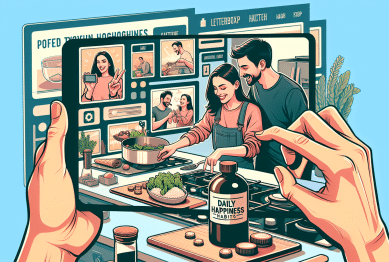


Discover how simple lifestyle choices and entertainment-inspired ideas can refresh your living environment. This engaging guide explores trending home decor, mindful tech integration, entertainment-inspired room designs, and practical wellness-inspired touches for a revitalized, personal haven.

Discovering the Power of Home Decor Trends
Home decor trends have a significant role in shaping the atmosphere and energy within every living space. With new colors, textures, and accessories emerging regularly, your home can effortlessly reflect current style movements and your unique personality. Contemporary home design often highlights sustainable materials and multifunctional layouts, which not only enhance visual appeal but also promote practical living. By following trends that emphasize comfort and efficiency, individuals find their living environments become more enjoyable and welcoming for daily life and entertaining guests.
Consider minimalist decor, which continues to inspire many due to its focus on clean lines and functional beauty. Neutral palettes dominate the scene, creating a calm and adaptable backdrop for various activities. Meanwhile, bold accent colors and statement furniture allow for playful, personalized touches without overwhelming the space. Every year, influential designers and online communities showcase innovative ways to incorporate trending decor elements, helping people stay inspired and keep their homes feeling fresh.
Importantly, home decor trends are increasingly informed by sustainability and ethical production. Many consumers now opt for furniture built from reclaimed wood, eco-friendly textiles, and biodegradable accents, supporting a greener lifestyle. Incorporating nature-inspired pieces—think lush indoor plants or organic shapes—draws a gentle connection to the outdoors, boosting relaxation and well-being. Keeping up with decor trends isn’t just about style; it’s also a way to create an environment that supports personal values and fosters daily joy.
Designing Spaces for Modern Entertainment
Modern entertainment has changed the way living spaces are designed. Whether hosting movie nights or casual gatherings, more people are rethinking the layout and tech integration within their homes. Open-plan living areas, dedicated media rooms, and strategically placed seating make it easier to bond over streaming marathons or music sessions with friends. Comfort and functionality work hand in hand: plush seating, adjustable lighting, and sound-absorbing materials help create an immersive environment, enhancing every entertainment experience.
As smart home technology becomes increasingly accessible, entertainment integration has become a top priority in lifestyle-focused home design. Wireless speakers, smart TVs, and multi-room sound systems make it simple to control audio and video with just a few touches or voice commands. Designing a space for seamless entertainment not only impresses guests but also elevates everyday relaxation after work or school. This approach brings joy and convenience to daily routines.
Flexibility is also a key aspect of entertainment-ready spaces. Modular furniture and convertible storage options enable quick room reconfigurations for board game nights or social gatherings. Thoughtful storage solutions keep tech accessories organized and out of sight when not in use. With these strategies, entertainment spaces stay streamlined, clutter-free, and always ready for spontaneous fun. The result? Comfortable zones where laughter, learning, and creativity flow naturally, making home the best venue for personal enjoyment and memorable experiences.
Integrating Mindful Tech Into Everyday Life
The rise of mindful technology in lifestyle and entertainment has redefined how people interact with their living spaces. From wellness monitoring wearables to mood-adjusting smart lighting, technology is now seamlessly woven into daily routines. The best part? It is tailored to be user-friendly and non-intrusive, creating a harmonious connection between digital convenience and personal comfort. Smart home assistants not only control electronics but also offer reminders to take breaks or encourage relaxation, supporting a more mindful approach to technology usage.
One widely adopted trend is the use of smart home devices that help manage energy use and cultivate healthy habits. Automated thermostats and security features add peace of mind without requiring constant attention. Many people appreciate ambient sound machines and guided meditation apps that foster a tranquil atmosphere at any time of day. With the right settings and automation, technology shifts from being a distraction to an active participant in maintaining a peaceful home environment.
This mindful tech integration means tech becomes a positive force rather than a source of stress. Setting up device-free zones, curating playlists for different moods, or choosing blue-light filtered screens are just some of the adjustments people make. Incorporating technology thoughtfully supports family routines, fuels creativity, and keeps life in balance. Ultimately, embracing smart lifestyle tech elevates both productivity and joy in the modern home while preserving meaningful moments offline.
Drawing from Culture: Entertainment-Inspired Room Design
Culture and entertainment heavily influence interior design, inspiring people to craft themed living zones reflecting their favorite shows, films, or musical genres. From cinematic wall art to vintage game collections, entertainment-inspired decor sparks conversation and nostalgia, while celebrating individual interests. Even small changes—like a gallery wall of vinyl covers or theater-style lighting—can transform an ordinary room into a creative escape, personalized for family and friends.
Fandom culture has helped fuel demand for unique, expressive environments. Some homeowners dedicate entire rooms to their favorite movie franchises, while others craft cozy nooks with reading chairs and classic literature displayed proudly. Popular colors, textures, and patterns drawn from beloved media find their way onto accent pillows, murals, or window treatments. This approach redefines traditional interior design, providing freedom to experiment and try fresh concepts that bring joy.
The rise of social media influences in lifestyle spaces cannot be overlooked. Platforms like Instagram and Pinterest provide endless inspiration for DIY projects and playful design solutions. Sharing and borrowing ideas helps foster a creative community where people support one another’s vision. At its core, entertainment-inspired room design is not just about aesthetics—it’s about cultivating an atmosphere that tells a story, invites exploration, and nourishes lasting memories within the home.
Embracing Wellness and Nature at Home
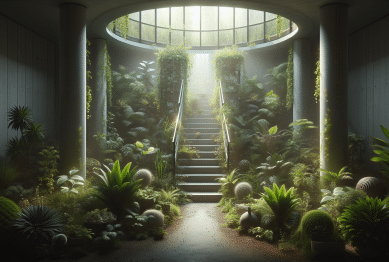
Wellness at home is a trend with enduring appeal. More people combine elements of relaxation, self-care, and biophilic design to achieve balance. Adding living plants boosts air quality and connects living areas to the natural world. Natural lighting, calming color palettes, and ergonomic furniture all support physical and emotional well-being. Creating a reading corner, meditation space, or a spa-inspired bathroom are popular ways to invite tranquility and daily renewal into any routine.
The importance of air quality and mindful materials cannot be overstated. People are investing in air purifiers, hypoallergenic linens, and non-toxic paints, creating healthier environments for themselves and their families. Even scent design—using diffusers or candles with essential oils—can uplift mood and foster relaxation. These intentional choices help minimize stress and support sleep, productivity, and stronger interpersonal connections, making wellness a true centerpiece of lifestyle design.
A growing number of individuals also incorporate wellness routines such as yoga, stretching, or mindful pauses throughout their day. Simple changes—like a mat kept in the living room or water bottles for hydration reminders—motivate healthy habits. Seamless integration of wellness themes into entertainment and daily living spaces underscores a holistic approach, showing that lifestyle and health are closely connected. This strategy can make home a sanctuary in every sense.
Space Optimization: Small Changes, Big Impact
Optimizing space is essential, especially as many people live in smaller homes or urban environments. Creative storage solutions, such as multi-use furniture and vertical shelving, maximize every inch. Simple decluttering routines create a sense of spaciousness and calm. Small-scale, strategic upgrades—like mirrors to bounce light or fold-away desks—can open up rooms and make them multifunctional, adapting easily to the demands of work, relaxation, and entertainment.
Color psychology is another tool used to visually expand living areas. Lighter shades reflect natural light, making rooms feel bigger and brighter. Strategic pops of color, whether in rugs, throws, or wall art, add depth and character without overwhelming small spaces. The right choice of lighting also plays a crucial role in transforming the feel of any room. Layered lighting—with task, ambient, and accent sources—adds dimension and comfort to every corner.
Finally, integrating folding partitions, sliding doors, and convertible furniture allows spaces to shift easily between uses. Modern renters and homeowners value environments that are flexible and future-ready. By focusing on intentional design, anyone can achieve a home that feels open, organized, and ready for any occasion. Smart space optimization ensures every experience, from solo movie nights to lively gatherings, is fully supported by the living environment.
References
1. American Society of Interior Designers. (n.d.). Home design trends survey. Retrieved from https://www.asid.org/resources/research/home-design-trends
2. Environmental Protection Agency. (n.d.). Indoor air quality. Retrieved from https://www.epa.gov/indoor-air-quality-iaq
3. National Recreation and Park Association. (2022). The benefits of parks and recreation. Retrieved from https://www.nrpa.org/publications-research/research-papers/benefits-of-parks-and-recreation/
4. Well Living Lab. (n.d.). Research highlights: Impact of indoor environments on health. Retrieved from https://welllivinglab.com/research
5. Harvard Health Publishing. (n.d.). How to design a wellness room at home. Retrieved from https://www.health.harvard.edu/mind-and-mood/how-to-design-a-wellness-room-at-home
6. U.S. Department of Energy. (n.d.). Smart home technology and energy efficiency. Retrieved from https://www.energy.gov/energysaver/smart-home-technology-and-energy-efficiency



 Why Offbeat Destinations Inspire Unforgettable Journeys